
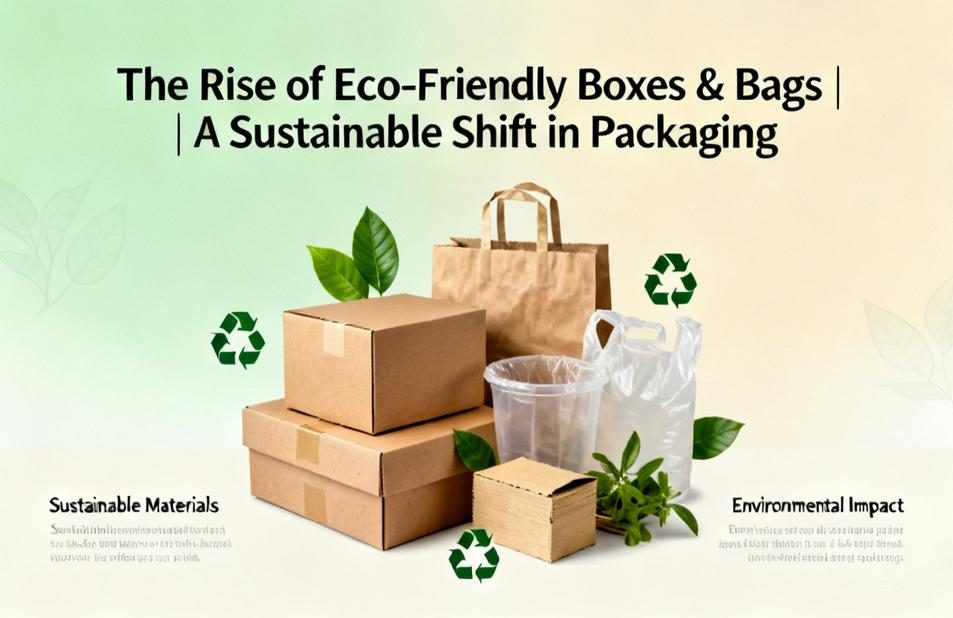
The global shift toward sustainability has transformed packaging, with eco-friendly boxes and bags emerging as a key solution. These products help businesses and consumers reduce environmental impact while maintaining quality and functionality. From biodegradable materials to reusable designs, they represent a fundamental change in consumption and waste management.
Environmental Impact of Traditional Packaging
Single-use plastics, common in boxes and bags, can take centuries to decompose, clogging landfills and polluting oceans. Eco-friendly alternatives are designed for end-of-life recovery. Materials like recycled cardboard, compostable plant-based plastics, and organic cotton bags break down naturally or can be recycled, drastically reducing ecological footprints. Switching from plastic bags to reusable cloth bags can prevent thousands of plastic items from entering the environment over a lifetime. Boxes made from post-consumer recycled paper conserve resources and require less energy to produce than virgin materials.
Business Benefits of Sustainable Packaging
Adopting eco-friendly packaging is a strategic decision. Over 70% of shoppers are willing to pay more for sustainable packaging, enhancing brand loyalty and differentiation. Customizable options, such as printed compostable bags or branded recycled cardboard boxes, maintain a professional image while aligning with environmental values. Additionally, many governments are introducing regulations to limit plastic waste, making early adoption a proactive compliance measure.
Innovations in Eco-Friendly Packaging
Innovations are expanding possibilities. Mushrooms are used to create biodegradable packaging foam, and seaweed is a source for edible water pods. Corrugated cardboard is reinforced with natural fibers for durability, and bags made from hemp or jute offer strength and style. Even traditional materials like glass and metal are being redesigned to reduce transportation emissions. These advances ensure eco-friendly boxes and bags match or exceed conventional functionality.
Practical Integration and Selection
Integrating eco-friendly packaging is simpler than ever. Suppliers offer bulk options for recycled or compostable materials, and certifications like FSC (Forest Stewardship Council) or BPI (Biodegradable Products Institute) ensure credibility. Small businesses can swap plastic mailers for compostable bags or use recycled cardboard for shipping. Reducing packaging size or eliminating unnecessary layers also cuts waste. For larger enterprises, a full transition may involve redesigning packaging lines, but long-term savings from material efficiency and waste reduction often offset initial costs.
Addressing Durability and Cost Concerns
Some skepticism remains about cost and durability. However, as demand grows, costs are dropping rapidly. Compostable bags are now competitively priced with standard plastic, and recycled cardboard boxes are often cheaper than virgin ones. Innovations like water-resistant plant-wax coatings and double-walled cardboard structures ensure product safety. The key is selecting the right material for specific needs, whether a lightweight bag for groceries or a sturdy box for electronics.
Frequently Asked Questions
What are eco-friendly boxes and bags made of?
They are typically made from recycled cardboard, compostable plant-based plastics, organic cotton, hemp, jute, or other biodegradable materials. Some innovations use mushroom foam or seaweed.
Are eco-friendly packaging options as durable as plastic?
Yes, many eco-friendly options match or exceed plastic durability. For example, double-walled cardboard and plant-wax coatings provide strength and water resistance.
How can businesses transition to sustainable packaging?
Businesses can start by using recycled cardboard boxes, compostable mailers, or reducing packaging size. Certifications like FSC or BPI help verify material claims.
Is eco-friendly packaging more expensive?
Costs are decreasing as demand grows. Recycled cardboard is often cheaper than virgin materials, and compostable bags are becoming competitively priced with plastic.
What certifications should I look for?
Look for FSC certification for responsibly sourced paper and BPI certification for compostable products to ensure credibility.
Can eco-friendly packaging be customized with branding?
Yes, many suppliers offer custom printing on compostable bags and recycled cardboard boxes, allowing businesses to maintain brand identity.
Related Reading
- Coating Ceramic Aluminum Steel Drive Pulleys for Wire Cable Making Machine
- 99% Alumina Zirconia Ceramics Mirror Polished HRA88 Hardness Custom Processing Insulation Corrosion Resistance Rings Sleeves
- Custom CNC Machined 99% Zirconia Ceramic Crucibles for Chemical Applications with High Temperature and Corrosion Resistance

Leave a Message