
In an era where sustainability meets sophistication, food packaging paper boxes have emerged as unsung heroes in our daily lives. These humble containers are no longer just practical vessels for transporting meals—they’ve evolved into powerful brand ambassadors, environmental statements, and culinary experience enhancers. From the morning coffee run to gourmet dinner deliveries, paper boxes are silently transforming how we interact with food while addressing some of the most pressing environmental concerns of our time.
The modern food packaging paper box represents a perfect marriage of functionality and eco-consciousness. Unlike their plastic counterparts, these boxes are crafted from renewable resources, primarily wood pulp from sustainably managed forests. What makes them particularly remarkable is their biodegradability—most paper packaging decomposes within 2-6 weeks, compared to plastic that can linger for centuries. The production process has also become increasingly efficient, with many manufacturers using recycled content and implementing water-saving techniques that reduce environmental impact by up to 60% compared to traditional methods.
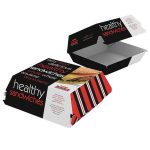
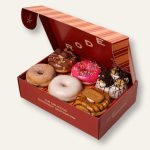
Beyond environmental benefits, food packaging paper boxes offer unparalleled versatility in design and application. Advanced manufacturing techniques now allow for custom shapes, sizes, and structural integrity that can accommodate everything from delicate pastries to steaming hot meals. The introduction of grease-resistant coatings and moisture barriers has expanded their use across all food categories, including oily items and liquid-based dishes that were previously challenging to package in paper materials. This adaptability has made them the go-to choice for restaurants, bakeries, and food services looking to maintain food quality while reducing their ecological footprint.
The consumer psychology behind paper packaging cannot be overlooked. Studies consistently show that customers perceive food packaged in paper boxes as fresher, healthier, and more premium compared to plastic alternatives. This perception isn’t just superficial—paper’s breathability actually helps maintain optimal conditions for many food items, preventing sogginess in baked goods while allowing proper air circulation for produce. The tactile experience of unboxing food from a well-designed paper container adds an element of anticipation and satisfaction that plastic simply cannot replicate.
Innovation in food packaging paper boxes continues to accelerate, with smart packaging technologies integrating directly into paper substrates. QR codes, temperature indicators, and even freshness sensors are now being incorporated into paper-based packaging solutions. These developments not only enhance food safety but also create new opportunities for brand engagement. Imagine scanning a code on your pizza box to see cooking recommendations or learning about the farm where your ingredients originated—all while using a completely compostable package.
The economic advantages of switching to paper packaging are becoming increasingly evident. While initial costs might be slightly higher than plastic, the long-term benefits—including improved brand image, customer loyalty, and potential tax incentives for sustainable practices—often outweigh the investment. Many businesses report increased sales after transitioning to paper packaging, as environmentally conscious consumers actively seek out establishments that align with their values. Additionally, as recycling infrastructure for paper is more established than for many plastics, the end-of-life management becomes simpler and more cost-effective.
Looking toward the future, the role of food packaging paper boxes is set to expand even further. Researchers are developing next-generation paper coatings derived from natural materials like chitosan from shellfish waste and plant-based polymers that offer enhanced protection without compromising recyclability. The concept of ‘edible packaging’—where the container itself becomes part of the meal—is also gaining traction, with paper-like materials made from rice, potato starch, and other food-grade components entering the market.
As consumers, our choice to support businesses using sustainable paper packaging creates a powerful market signal that drives further innovation. Each time we choose the paper-boxed option over plastic, we’re voting for a cleaner planet and supporting the circular economy. The food packaging paper box, in its elegant simplicity, represents more than just container—it’s a statement about the world we want to eat in, one meal at a time.
Leave a Message