
In the world of premium spirits, first impressions matter more than we often realize. While the amber liquid inside the bottle remains the star of the show, whiskey packaging boxes have emerged as silent ambassadors of brand storytelling and sensory anticipation. These carefully crafted containers do more than just protect the bottle—they create an experience that begins the moment a customer lays eyes on them, transforming ordinary whiskey purchases into memorable rituals.
The psychology behind whiskey packaging is as complex as the drink itself. Premium whiskey buyers aren’t just purchasing alcohol—they’re investing in an experience, a story, and a status symbol. The packaging box serves as the physical manifestation of these intangible desires. From the satisfying weight of a sturdy cardboard to the subtle texture of embossed logos, every element is designed to communicate quality before the cork is ever popped. Luxury whiskey brands understand that the unboxing experience should feel like unwrapping a treasured gift, regardless of whether it’s for personal enjoyment or as a present for someone special.
Material selection plays a crucial role in establishing perceived value. High-density cardboard with velvet lining, magnetic closure boxes, and wooden crates with brass fittings have become industry standards for premium expressions. These materials don’t just look expensive—they feel expensive. The satisfying resistance when sliding a box open, the precise fit around the bottle, the subtle scent of quality paperboard—these sensory details create an emotional connection that mass-market packaging simply cannot replicate. For limited edition releases, brands often incorporate unique materials like leather accents, metal plaques, or even locally-sourced wood to emphasize exclusivity and craftsmanship.
Design elements in whiskey packaging tell a story before a single word is read. Celtic knots might hint at Scottish heritage, while minimalist typography could suggest modern sophistication. Color psychology comes into play dramatically—deep blues and burgundies convey tradition and luxury, while unexpected colors like sage green or bronze might position a brand as innovative yet refined. Embossing, foil stamping, and spot UV coatings add tactile and visual depth that makes the packaging feel like a collectible item rather than disposable container. Many enthusiasts now proudly display empty whiskey boxes in their home bars, treating them as artifacts of memorable drinking experiences.
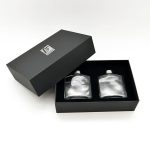
Functionality has evolved alongside aesthetics in whiskey packaging design. Modern boxes often include integrated compartments for glasses, cocktail recipe booklets, or even small samples of related products. Some premium brands have developed boxes that transform into display stands or bar accessories, extending the packaging’s lifespan beyond the initial unboxing. Travel-friendly features like secure closures and reinforced corners cater to the growing market of whiskey enthusiasts who purchase bottles at distilleries or during their travels. These practical considerations demonstrate that brands understand their customers’ lifestyles, not just their taste preferences.
Environmental considerations are reshaping whiskey packaging conventions. As consumers become more eco-conscious, brands are responding with innovative sustainable solutions. Recycled materials, plant-based inks, and designs that minimize waste without compromising luxury are becoming increasingly important differentiators. Some distilleries have introduced refill programs where customers can return with their empty bottles, while others use packaging that can be repurposed as home decor or storage containers. This shift toward sustainability adds another layer to brand storytelling, allowing consumers to feel good about their purchase beyond the quality of the whiskey itself.
The unboxing experience has become so significant that some collectors value exceptional packaging as much as the whiskey inside. Limited edition releases often feature packaging with intricate mechanisms, hidden compartments, or interactive elements that make opening them an event in itself. This has created a secondary market for empty whiskey boxes, particularly those from rare or discontinued expressions. Social media has amplified this phenomenon, with enthusiasts sharing unboxing videos that function as free advertising for brands that invest in remarkable packaging.
In the competitive landscape of premium spirits, whiskey packaging boxes have transitioned from mere containers to essential brand assets. They bridge the gap between digital marketing and physical product, delivering on the promises made through advertising and brand storytelling. The next time you find yourself admiring a beautifully packaged whiskey bottle, remember that you’re not just looking at a box—you’re holding the opening chapter of a sensory story that culminates in that first sip of golden liquid. In the world of whiskey, the journey is just as important as the destination, and it begins with that first glance at the packaging.
Leave a Message