
In a world saturated with products, the moment of unboxing has become a critical touchpoint. It’s no longer just about protection and logistics; it’s the first tangible conversation between a brand and its customer. This is where Cultural Creative Packaging Boxes emerge as silent yet powerful storytellers. They transcend their primary function, transforming into curated vessels of heritage, artistry, and emotional connection. More than a container, they become a keepsake—a physical manifestation of a brand’s soul and the cultural narrative it chooses to embrace.
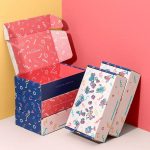
So, what exactly is Cultural Creative Packaging? It is the deliberate fusion of functional design with profound cultural elements—be it traditional motifs, local craftsmanship, historical references, or contemporary artistic interpretations of heritage. It moves beyond generic aesthetics to embed meaning. Imagine receiving a tea set housed in a box that mimics the intricate latticework of ancient temple windows, telling a story of serenity and history before the first sip. Or a skincare product nestled in packaging adorned with patterns derived from indigenous textile art, speaking of natural ingredients and ancestral wisdom. This approach doesn’t just wrap a product; it contextualizes it, enriching its value through cultural resonance.
The impact of such packaging is multifaceted. For consumers, it creates an unforgettable sensory and emotional journey. The tactile feel of handmade paper, the visual delight of a folklore illustration, the subtle scent of natural ink—all these elements work in concert to elevate a simple purchase into a memorable event. This deepens customer loyalty, as the packaging itself becomes a reason for repurchase and a shareable moment on social media. In an era where unboxing videos garner millions of views, culturally rich packaging provides inherently shareable content that amplifies brand reach organically.
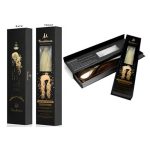
For brands, particularly those rooted in specific regions or those aiming for a premium, artisanal positioning, cultural creative packaging is a strategic powerhouse. It serves as a potent differentiator in crowded markets. In a sea of minimalist white boxes, a package that celebrates a unique cultural heritage instantly stands out. It communicates authenticity, respect for craftsmanship, and a deeper brand philosophy without saying a word. It allows a brand from Japan to whisper about *wabi-sabi* (the beauty of imperfection), or a brand from Mexico to vibrate with the colors and spirit of Día de los Muertos. This authenticity builds a stronger, more meaningful brand identity that consumers are eager to align themselves with.
Furthermore, this trend champions sustainability and ethical production when executed thoughtfully. Many cultural creative packages leverage local, renewable materials and collaborate with traditional artisans. This not only ensures the survival of dying crafts but also often results in biodegradable or reusable solutions. A box woven from sustainable bamboo or printed with organic dyes tells a second story—one of environmental and social responsibility. The package, therefore, becomes a testament to the brand’s commitment to people and planet, adding another layer of value for the conscious consumer.
However, the path requires nuance and respect. Cultural integration must be authentic, not merely appropriation. Successful brands engage in deep collaboration with cultural experts and artisans, ensuring their representations are accurate and honorable. It’s about celebration and co-creation, not exploitation. The goal is to build a bridge between tradition and modernity, allowing ancient stories to find new relevance in contemporary lives.
In conclusion, the Cultural Creative Packaging Box is far more than a trend; it is a paradigm shift in brand communication. It represents a move from transactional packaging to transformational experience. In our increasingly digital and homogenized world, these packages offer a crave-worthy touch of the human, the authentic, and the storied. They remind us that what we buy is not just an object, but a piece of a larger cultural tapestry. For brands ready to tell a deeper story, the box is no longer the end of the design process—it is the very beginning of the customer’s lasting relationship with the brand’s world.
Leave a Message