
Walk into any warehouse, retail store, or even your own home after a delivery, and you’ll be surrounded by them. The humble corrugated box, often dismissed as mere brown packaging, is in fact a marvel of material science and engineering. It is the silent workhorse of global trade, the guardian of products from factory floor to front door, and a testament to sustainable innovation. But what exactly is this ubiquitous material, and why has it remained the undisputed champion of packaging for over a century?
At its core, corrugated board is a simple yet ingenious sandwich. It consists of a fluted, wavy inner layer (the corrugated medium) glued between two flat linerboards. This flute structure is the key to its magic. It creates a series of connected arches, a shape renowned in architecture for its ability to distribute weight and resist bending forces. This design transforms flat sheets of paper into a rigid, cushioning, and remarkably strong material. The air circulating in the flutes also provides excellent thermal insulation, a bonus for shipping temperature-sensitive goods.
The journey of corrugated box material begins with its primary component: paper, sourced from renewable managed forests. The linerboards are typically made from sturdy kraft paper, known for its long fibers and superior strength. The fluted medium can be made from various recycled or virgin paper stocks. These sheets are fed through massive corrugators, where the medium is heated, steamed, and shaped into flutes before being bonded to the liners with starch-based adhesives. The result is a continuous sheet of corrugated board, which is then cut, scored, and folded into an endless variety of box styles—from simple slotted containers to intricate die-cut designs that hold products with a custom-fit embrace.
The true genius of corrugated material lies in its performance-to-weight ratio. It is incredibly lightweight, keeping shipping costs low, yet it can withstand immense stacking pressure in transit. Different flute profiles (A, B, C, E, F, etc.) offer tailored solutions; larger flutes (like A-flute) provide greater vertical compression strength for stacking, while smaller, denser flutes (like E or F) create a smoother surface for high-quality printing and a more rigid structure for retail-ready packaging. This versatility allows a single material to safely transport everything from delicate electronics and fresh produce to heavy automotive parts.
In today’s eco-conscious world, the sustainability story of corrugated cardboard is a powerful one. It is the most recycled packaging material on the planet, with recovery rates exceeding 90% in many regions. The fibers can be recycled 7-10 times to make new boxes or other paper products. Furthermore, it is biodegradable and compostable under the right conditions. Manufacturers are constantly innovating, using increasing percentages of post-consumer waste, optimizing designs to use less material (a concept called ‘right-sizing’), and developing water-based inks and coatings to enhance recyclability. Choosing corrugated is often a choice for a circular economy.
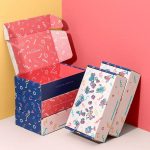
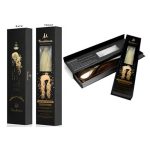
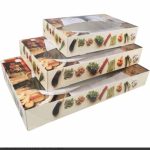
Beyond pure logistics, corrugated boxes have evolved into a critical marketing canvas. With advanced digital printing, brands can now turn shipping containers into vibrant, unboxing experiences that tell their story and reinforce their identity. The box is no longer just a transporter; it’s the first physical touchpoint a customer has with an online order. A well-designed, sturdy corrugated box communicates quality, care, and brand values before the product inside is even revealed.
From its clever architectural design to its sustainable lifecycle and brand-building potential, corrugated box material is far more than meets the eye. It is a dynamic, evolving material that perfectly balances strength, lightness, cost-effectiveness, and environmental responsibility. The next time you receive or ship a package, take a moment to appreciate the sophisticated engineering hidden within those simple brown walls. It is, without a doubt, the indispensable backbone of our connected world.
Leave a Message