
In the world of premium spirits, the journey of appreciation begins long before the first sip. Before the cork is popped or the cap unscrewed, a silent ambassador speaks volumes: the spirits packaging box. Often dismissed as mere cardboard, this outer shell is, in reality, a critical frontier of brand storytelling, a guardian of quality, and a powerful catalyst for desire. In an increasingly crowded marketplace, where discerning consumers seek not just a drink but an experience, the box is no longer an afterthought—it is the opening chapter of the brand’s narrative.
Consider the moment of discovery on a retail shelf or the anticipation of receiving a gift. The packaging box is the first tangible point of contact. Its texture, weight, and structural integrity immediately communicate quality. A flimsy, generic carton whispers “commodity,” while a robust, meticulously crafted box with precise folds and a satisfying heft shouts “craftsmanship” and “value.” This initial haptic experience sets an unconscious expectation for the liquid inside. A premium whisky, aged for decades in oak, demands a vessel worthy of its journey; that journey starts with a box that feels substantial and respectful.
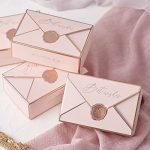
Beyond feel, the box is a canvas for visual artistry. It is here that brand identity is solidified through color, typography, imagery, and finish. Elegant embossing, delicate foil stamping, spot UV coatings that make certain elements gleam, and the tactile allure of linen or velvet finishes—these are the tools of seduction. They transform simple packaging into a collectible object. For limited editions or anniversary releases, the box becomes a commemorative piece, often incorporating unique materials like wood, metal clasps, or magnetic closures. This elevates the spirit from a consumable to a treasure, enhancing its perceived value and justifying a higher price point.
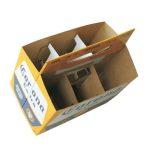
Functionality, however, remains paramount. A beautiful box that fails to protect its precious cargo is a masterpiece of poor design. Spirits packaging must be engineered for resilience, safeguarding against light, temperature fluctuations, and the rigors of transportation. Innovative inserts cradle the bottle securely, preventing movement and breakage. Furthermore, thoughtful design considers the end-user experience. Easy-open mechanisms, integrated handles for gifting, and compartments for accessories like glasses or tasting notes add a layer of sophisticated utility. The unboxing process itself should be a ritual—a sequence of reveals that builds anticipation and delight, much like the ceremony of pouring the spirit itself.
In today’s eco-conscious climate, the narrative of the box also extends to sustainability. Brands are now challenged to marry luxury with responsibility. The use of recycled materials, soy-based inks, and minimalist designs that reduce waste without compromising elegance is becoming a significant differentiator. A box that tells a story of environmental stewardship adds a powerful, modern dimension to a brand’s ethos, resonating deeply with a growing segment of consumers who value provenance and planet alongside taste.
Ultimately, the spirits packaging box is a multifaceted storyteller. It whispers heritage through classic design cues, shouts innovation through bold graphics and unusual structures, and demonstrates care through every functional detail. It is a silent salesperson on the shelf, a key component of brand equity, and the essential first act in the theater of consumption. For the connoisseur, the gift-giver, or the casual explorer, that box transforms a simple transaction into the beginning of an experience. It promises that what lies within is not just a spirit, but a story waiting to be unveiled, savored, and remembered. In the final analysis, the bottle holds the spirit, but it is the box that captures the imagination.
Leave a Message