
In a world obsessed with the next big thing—the flashy app, the AI-powered gadget, the biodegradable miracle material—it’s easy to overlook the quiet stalwarts that have been with us all along. Enter the retail paper bag. Often dismissed as a simple, utilitarian afterthought at the checkout counter, this unassuming carrier is undergoing a remarkable renaissance, transforming from a passive vessel into a powerful symbol of brand identity, environmental responsibility, and conscious consumerism.
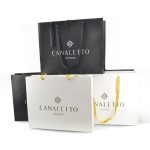
Gone are the days of the flimsy, generic brown sack that gave way under the weight of a single hardcover book. Today’s retail paper bag is a feat of engineering and design. Made from sturdy, often recycled kraft paper with reinforced handles, it is built to last, encouraging reuse long after the initial purchase. But its strength is more than physical. The blank canvas of a paper bag presents a golden marketing opportunity. With sophisticated prints, elegant logos, and minimalist designs, it becomes a walking advertisement, a statement of style carried through city streets. That iconic, beautifully crafted bag from a favorite boutique isn’t just holding a product; it’s broadcasting an affiliation, a taste, a lifestyle choice to the world.
The environmental narrative is where the retail paper bag truly shines in the modern context. In the face of the global plastic pollution crisis, the paper bag stands as a tangible, compostable alternative. Sourced from renewable forests (often certified by organizations like the FSC) and boasting a high recycling rate, it represents a closed-loop system that aligns with the values of an increasingly eco-aware customer base. Choosing paper over plastic is no longer just a default option; for many, it’s a deliberate, ethical decision. Brands that provide a sturdy, recyclable paper bag are silently communicating their commitment to sustainability, building trust and loyalty with every handle they hand over.
Beyond branding and ecology, the retail paper bag possesses a unique, tactile psychology. The rustle of paper, the substantial feel in hand, the crisp newness—it enhances the sensory experience of shopping. It signals care and quality. Unwrapping a purchase from a well-designed paper bag extends the moment of acquisition, adding a layer of ceremony and value that a flimsy plastic bag instantly crushes. This psychological lift translates into perceived value for both the product inside and the brand that provided the vessel.
Furthermore, the lifecycle of a retail paper bag often extends far beyond a single trip home. It finds second acts as a gift bag, a storage solution for odds and ends, a container for recyclables, or even craft material for children’s projects. This inherent reusability amplifies its environmental credentials and embeds the brand into the daily rhythms of the customer’s life. Each reuse is a subtle reminder of the original shopping experience, fostering ongoing brand connection.
Of course, the story isn’t without its nuances. The production of paper bags has its own environmental footprint, concerning water and energy use. The truly responsible choice lies in innovation—using post-consumer recycled content, optimizing production processes, and, most importantly, encouraging consumers to reuse and recycle diligently. The ultimate goal is not just to replace plastic with paper, but to foster a culture of mindful consumption where the bag, regardless of material, is used to its fullest potential.
In conclusion, the retail paper bag is far from a passive commodity. It is a dynamic touchpoint in the customer journey, a silent ambassador for brand values, and a practical tool for environmental stewardship. It bridges the gap between commerce and conscience, between a simple transaction and a memorable experience. So, the next time you’re handed a beautifully crafted paper bag, take a moment to appreciate it. You’re not just holding a sack; you’re holding a story of craftsmanship, sustainability, and smart branding—the unassuming hero of the modern retail world, quietly carrying more than just our purchases.

Leave a Message