
In the bustling world of food retail, first impressions are often tasted with the eyes. Before a single bite of a decadent pastry, a crisp salad, or an artisanal pizza, your customer interacts with its container. The humble food packaging paper box, often overlooked, has quietly evolved from a simple vessel into a powerful tool driving consumer experience, brand loyalty, and environmental responsibility. It’s no longer just a box; it’s a silent ambassador for your brand’s values and quality.
Think about the last time you received a beautifully packaged gourmet meal or dessert. The sturdy, well-designed box promised protection, but it also built anticipation. This is the primary, yet profound, role of modern food packaging paper boxes: preservation and protection. Engineered from food-grade materials, these boxes create a critical barrier against contaminants, moisture, and physical damage during transit. For delicate items like cakes or fragile pastries, custom-fitted inserts and secure closures are essential. A box that fails here fails the product entirely, no matter how exquisite its contents.
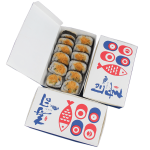
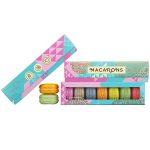
However, functionality is just the foundation. The true transformative power of the food packaging paper box lies in its canvas-like quality. This is where brand storytelling comes alive. A plain brown box says little; a box adorned with elegant typography, vibrant colors, and your unique logo speaks volumes. It communicates your brand’s personality—be it rustic and organic, sleek and modern, or playful and fun. This unboxing experience is a tangible touchpoint, a moment of connection that can be shared on social media, amplifying your reach. In an era where visual appeal is currency, your packaging is a mobile billboard.
Perhaps the most significant shift in recent years is the move toward sustainability. Consumers are increasingly making choices based on environmental impact, and packaging is at the forefront of this decision. Food packaging paper boxes, especially those made from recycled content or sourced from sustainably managed forests (often marked with FSC certification), directly answer this demand. They are biodegradable, compostable in many cases, and far easier to recycle than mixed-material alternatives. By choosing eco-conscious paper packaging, a brand doesn’t just package food; it packages a promise—a commitment to planetary health that resonates deeply with a growing segment of the market.
Innovation in this space is relentless. Today’s paper boxes are smarter and more versatile than ever. From grease-resistant coatings that handle oily foods without compromising recyclability to innovative shapes that enhance product presentation and stacking efficiency, the design possibilities are endless. Some boxes incorporate windows made from compostable films, allowing the product to sell itself. Others are designed for dual-purpose use, encouraging reuse as storage containers, which further extends brand interaction and reduces immediate waste.
For a business, selecting the right food packaging paper box is a strategic decision. It balances cost, functionality, aesthetics, and environmental ethos. It’s an investment in customer satisfaction and brand integrity. A poorly chosen box can lead to damaged goods, negative reviews, and a diluted brand image. Conversely, a well-considered box protects your product, elevates your brand, aligns with consumer values, and tells your story from the shelf to the home.
In conclusion, the food packaging paper box has shed its purely utilitarian skin. It stands as a multifaceted solution at the intersection of practicality, marketing, and ethics. It safeguards the chef’s craftsmanship, carries the brand’s voice, and respects the consumer’s conscience. In the competitive landscape of food, the right box does more than hold your offering—it holds the key to freshness, memory, and a sustainable future. The next time you design or choose a box, remember: you’re not just packing food; you’re packaging an experience.

Leave a Message