
In the bustling arena of modern retail, where digital screens clamor for attention and online carts are just a click away, a silent yet powerful hero often goes unnoticed: the retail display box. Far more than a mere container, this unassuming fixture is the unsung architect of the in-store experience, the physical handshake between brand and consumer. It is the critical juncture where marketing strategy materializes, where products cease to be inventory and become irresistible propositions. In an age of sensory overload, the intelligent design and deployment of display boxes are not just advantageous—they are essential for survival and growth on the shop floor.
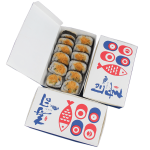
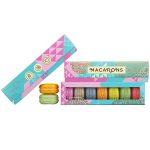
Think of the last product that caught your eye from across the aisle. What was it that drew you in? Chances are, it wasn’t the product alone, but the stage upon which it was presented. A well-conceived retail display box acts as a three-dimensional billboard. It commands space, organizes chaos, and tells a compelling story. Whether it’s a sleek, minimalist corrugated cardboard structure for a new tech gadget or a vibrant, windowed box bursting with colorful confections for a seasonal promotion, the display box sets the tone. It whispers quality, screams value, or evokes curiosity, all before a customer has even touched the item inside.
The psychology behind an effective display is profound. Strategic use of height creates visual dominance; grouping products together (a tactic known as “bulking”) suggests popularity and abundance. A display box with clear sightlines and easy access invites interaction, reducing the friction between seeing and trying. This tactile engagement is a superpower that e-commerce cannot replicate. The satisfying heft of a product, the sound of a closure, the texture of the materials—these sensory cues, facilitated by the display, build tangible desire and significantly shorten the path to purchase. The box becomes a silent salesperson, working 24/7 to educate, engage, and convert.
Furthermore, the modern retail display box is a marvel of logistical and sustainable innovation. Today’s solutions are engineered for efficiency. They often arrive flat-packed, saving on shipping costs and storage space, and can be assembled in seconds without tools—a boon for retail staff. Materials have evolved, too. Recycled, recyclable, and even compostable corrugated board is now the standard, aligning brand values with the growing consumer demand for environmental responsibility. A display made from sustainable materials doesn’t just hold products; it communicates a brand’s commitment to the planet, adding an ethical layer to the purchasing decision.
The versatility of these displays is their greatest asset. From sturdy floor stands and gravity-fed dump bins for high-volume impulse buys to elegant countertop units for luxury goods and modular systems that can be reconfigured for any campaign, the possibilities are endless. They provide the framework for storytelling: a display for a new line of organic teas might use earthy tones and natural textures, while a launch for a high-energy drink could feature bold graphics and dynamic, angular shapes. This customization ensures that every product finds its perfect showcase, creating dedicated brand moments within a shared retail environment.
In conclusion, to view a retail display box as just a box is to miss the point entirely. It is a strategic tool, a psychological lever, and a sustainability statement. It is the physical embodiment of a brand’s voice in a crowded marketplace. As retailers strive to create memorable, immersive experiences that draw customers away from their screens, investing in intelligent, well-designed display solutions becomes paramount. The humble display box, therefore, is far from passive. It is an active participant in commerce, transforming simple shopping trips into curated journeys and silent shelves into compelling narratives. In the end, the right display doesn’t just hold your product—it holds the customer’s attention, and ultimately, their loyalty.

Leave a Message