
In the world of fine teas, Pu’er holds a place of reverence. This ancient tea from China’s Yunnan province, known for its complex, earthy flavors and remarkable aging potential, is more than a beverage—it’s a living history. Yet, before the first infusion releases its deep aroma, another story begins. It’s a story told not by the tea leaves themselves, but by their first guardian: the Pu’er tea packaging box. Far from a mere container, this box is a crucial artifact in the journey from ancient forest to modern teacup, balancing profound tradition with contemporary artistry.
For centuries, Pu’er was traded along the legendary Tea Horse Road, compressed into cakes, bricks, or tuo cha (nest-shaped) for the arduous journey. Its packaging was purely functional, often simple bamboo leaf wrappers or coarse paper, designed for durability over aesthetics. The tea’s value was intrinsic, locked within the leaves. Today, while the soul of Pu’er remains unchanged, its presentation has evolved into a sophisticated dialogue between past and present. The modern Pu’er tea packaging box serves a tripartite mission: to protect, to communicate, and to elevate.
Protection is its most sacred duty. Pu’er is a tea that breathes; it requires a careful environment to mature gracefully. A high-quality packaging box acts as a stable micro-climate. Crafted from materials like thick, food-grade paperboard, often lined with neutral, odor-absorbing materials, it shields the precious cake from light, moisture, and strong odors. It is the first defense against the elements, ensuring that the slow, microbial alchemy within the tea cake continues undisturbed. For collectors investing in teas that will age for decades, the box is not just packaging—it is the first chapter in the tea’s aging biography.
Beyond protection lies communication. A Pu’er packaging box is a silent storyteller. Its design elements—the choice of color, the texture of the paper, the style of calligraphy—whisper the tea’s provenance and character. Deep, earthy tones and traditional motifs like dragons, phoenixes, or ancient seals speak of a venerable, aged raw (sheng) Pu’er. Cleaner lines, lighter hues, and minimalist patterns might introduce a refined ripe (shou) Pu’er. The box provides essential narrative: the mountain region (like Bulang or Yiwu), the harvest year, and the producer’s name. It translates the tea-maker’s intent, offering a glimpse into the tea’s story before the wrapper is even unfolded.
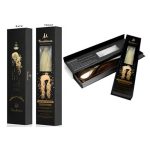
In the realm of gifting and luxury, the Pu’er tea box transforms into an object of art. It elevates the experience from consumption to ceremony. Designers now employ techniques like embossing, foil stamping, and intricate cut-outs that reveal a glimpse of the tea cake within. Some boxes incorporate magnetic closures or silken linings, adding a tactile pleasure to the unveiling. This artistry acknowledges that opening a fine Pu’er is an event. The careful unboxing builds anticipation, turning the simple act of preparing tea into a mindful ritual. It signals that what lies inside is worthy of respect and slow appreciation.
Furthermore, the packaging box has become a canvas for cultural identity and innovation. While honoring classic Chinese aesthetics, contemporary designs also experiment with modern art, abstract forms, and sustainable materials. Bamboo, recycled paper, and other eco-friendly options are increasingly popular, reflecting a global consciousness. The box thus bridges worlds: it is deeply Chinese in essence yet universally appreciable as a design object. It tells international consumers that they are not just buying a commodity, but a piece of crafted culture.
Ultimately, the Pu’er tea packaging box is a testament to value. In a market flooded with options, it helps a genuine, high-quality tea stand apart. It assures the buyer of authenticity and care. For the tea producer, it is the final, tangible expression of their craft—a seal of pride on the years of work that went into cultivating and processing the leaves. For the drinker, it is the prelude to the experience, a beautifully wrapped promise of the depth and tranquility to come.
So, the next time you hold a Pu’er tea packaging box, take a moment to observe it. Feel its weight and texture. Study its art. It is more than a box. It is a guardian of time, a narrator of origin, and a bridge to an ancient tradition, meticulously designed to deliver one of the world’s most storied beverages into your hands, perfectly preserved and full of promise. The journey of Pu’er is long, and it begins with this first, elegant chapter.
Leave a Message