
In a world dominated by digital storefronts and instant deliveries, a humble hero quietly shoulders the global economy. The corrugated paper box, often dismissed as a simple brown container, is undergoing a silent revolution. Far from being just a shipping vessel, it has evolved into a sophisticated, sustainable, and intelligent cornerstone of modern commerce, blending ancient papercraft with cutting-edge technology.
The genius of corrugated cardboard lies in its elegant, flute-structured core sandwiched between linear liners. This architectural marvel creates a material that is astonishingly strong yet lightweight, providing superior protection against shocks, compression, and humidity. From delicate electronics and perishable groceries to heavy automotive parts, its versatility is unmatched. This strength-to-weight ratio is the first pillar of its sustainability, minimizing material use while maximizing protection, directly reducing fuel consumption and emissions during transportation.
Sustainability is where the corrugated box truly shines. Made primarily from a renewable resource—trees from responsibly managed forests—it boasts the highest recycling rate of any packaging material globally, often exceeding 90%. The fibers in corrugated cardboard can be recycled over seven times to create new boxes, embodying the circular economy in its purest form. Furthermore, advancements in manufacturing have led to lighter-weight boards and water-based inks, shrinking its carbon footprint even further. For brands, this isn’t just an operational detail; it’s a powerful narrative of environmental responsibility that resonates deeply with today’s conscious consumers.
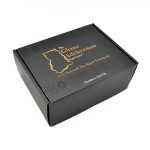
The innovation continues beyond the physical structure. The rise of e-commerce has transformed the box from a mere container into a critical touchpoint in the customer journey. Custom printing allows for vibrant, brand-building unboxing experiences that turn a routine delivery into a memorable event. Meanwhile, smart packaging integrates QR codes, NFC chips, and RFID tags directly into the corrugated material. A simple scan can now provide supply chain transparency, authenticate products, offer interactive user manuals, or even facilitate easy returns, bridging the physical and digital worlds seamlessly.
On the logistics front, corrugated packaging is becoming smarter and more efficient. Automated box-making machines can now create right-sized packages on demand, eliminating wasteful void fill and optimizing space in delivery trucks. This “packaging-on-demand” model, powered by software that calculates the perfect box dimensions for each order, represents a significant leap in operational efficiency and waste reduction. The box is no longer a passive item but an active, data-informed component of the supply chain.
Looking ahead, the future of the corrugated box is brimming with potential. Researchers are exploring coatings and treatments to expand its use for direct food contact or for packaging liquids. The integration of Internet of Things (IoT) sensors could enable real-time monitoring of a shipment’s condition—tracking temperature, humidity, or impacts throughout its journey. As brands and consumers alike demand greater accountability and eco-friendliness, the corrugated paper box stands ready to meet these challenges not as a relic of the past, but as a dynamic platform for innovation.
In conclusion, the corrugated paper box is a testament to the power of simple ideas executed brilliantly. It is a protector of goods, a champion of the circular economy, a canvas for brands, and a node in the connected world of logistics. The next time you receive a parcel, take a moment to appreciate the complex story folded within those sturdy, fluted walls. It’s more than a box; it’s a silent partner in global trade, sustainably and intelligently delivering our world, one package at a time.


Leave a Message