
In a world obsessed with high-tech solutions and digital innovation, there exists a quiet, unassuming hero of practicality and sustainability: the folding paper box. Often overlooked as a simple container, this elegant piece of engineering is experiencing a renaissance, proving that sometimes, the most profound solutions are those that fold neatly into the palm of your hand. From protecting precious goods to telling a brand’s story, the folding paper box is no longer just packaging; it’s an experience, a statement, and a cornerstone of conscious consumerism.
The magic of the folding paper box lies in its beautiful paradox: strength born from flexibility. Constructed from corrugated cardboard or sturdy paperboard, its design utilizes precise scores and creases that allow it to transform from a flat, space-saving sheet into a rigid, three-dimensional structure. This ‘flat-to-form’ principle is a logistical dream. It slashes storage and transportation costs by up to 90% compared to pre-assembled boxes, reducing carbon footprints long before the product even reaches the consumer. For e-commerce giants and small artisanal brands alike, this efficiency is not just economical; it’s an essential component of a lean, responsible supply chain.
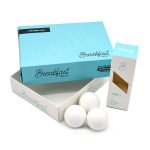
But the modern folding paper box is far more than a utilitarian vessel. It has become the first physical touchpoint in the customer journey, a blank canvas for brand identity. With advanced printing techniques like embossing, foil stamping, and vibrant digital prints, these boxes communicate luxury, eco-friendliness, or playfulness before the inner product is even revealed. Imagine receiving a cosmetics order in a sleek, matte-finish box with delicate debossed lettering, or a subscription of gourmet coffee in a box adorned with rich, earthy tones and textured paper. The unboxing moment, often shared on social media, is curated by the box itself, turning customers into brand ambassadors.
This leads us to the heart of its contemporary appeal: sustainability. In an era of plastic pollution, the folding paper box stands as a beacon of circularity. Made from renewable resources—often from recycled content or sustainably managed forests—it is inherently biodegradable and widely recyclable. Its design ethos champions the ‘reduce’ principle: minimal material use for maximum structural integrity. Brands adopting these boxes send a powerful, silent message about their environmental values, aligning with a growing consumer base that votes with its wallet for the planet. The box, after fulfilling its primary duty, can live multiple lives as storage, a craft project, or simply return to the pulp stream to be reborn.
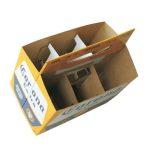
The applications are as diverse as human ingenuity. In the food industry, grease-resistant and breathable variants keep pastries crisp and produce fresh. In electronics, custom-fitted inserts made from folded paper pulp provide cushioning that rivals foam plastics. For pharmaceuticals, they offer secure, tamper-evident packaging. The rise of subscription box models across niches—from gourmet foods to book clubs—relies entirely on the dependable, presentable, and customizable nature of folding cartons. They are the silent workhorses of global commerce, adapting to hold everything from delicate jewelry to heavy bottle shipments.
Perhaps the most compelling aspect of the folding paper box is its democratic nature. It empowers the small entrepreneur in a garage to access professional-grade packaging at a low cost, enabling them to compete on the shelf (literal or digital) with established players. DIY templates available online have further democratized design, allowing anyone to create and produce a custom box. This accessibility fuels innovation and diversity in the marketplace, one folded corner at a time.
As we look to the future, the folding paper box continues to evolve. Smart packaging integrations, such as QR codes linking to interactive content or NFC tags for authentication, are adding a digital layer to this analog classic. Developments in water-based coatings and barrier technologies are enhancing its functionality without compromising recyclability. The core principle, however, remains timeless: intelligent design that respects both the product it carries and the world it inhabits.
In conclusion, the folding paper box is a testament to the power of simple, thoughtful design. It is a symbol of efficiency, a messenger of brand ethos, and a champion of environmental stewardship. It reminds us that in our complex, fast-paced world, solutions don’t always need to be disruptive; sometimes, they just need to fold perfectly into place. So, the next time you effortlessly assemble a box to ship a gift or carefully unfold one to reveal a awaited purchase, take a moment to appreciate this humble masterpiece of design—a true case of unfolded potential.

Leave a Message