
In a world increasingly focused on flashy, high-tech solutions to environmental challenges, it’s easy to overlook the quiet workhorse sitting right under our noses—or more accurately, stacked in our warehouses and arriving on our doorsteps. The humble corrugated paper box, often dismissed as mere brown cardboard, is undergoing a quiet revolution. It’s not just a container; it’s a cornerstone of modern, circular, and surprisingly sophisticated commerce. This unassuming hero is proving that the most effective sustainable innovations are sometimes the ones we’ve been perfecting for over a century.
The genius of corrugated packaging lies in its elegant simplicity. The iconic fluted medium, sandwiched between two liners, creates a structure of remarkable strength and cushioning with minimal material. This engineering marvel, inspired by classical architectural columns, provides unparalleled protection for everything from delicate electronics and fresh produce to heavy automotive parts. It’s a masterclass in doing more with less, a principle that is the very bedrock of sustainability. Every curve of that flute is a tiny shock absorber, every layer a barrier against the rigors of the global supply chain.
Today’s corrugated box is a far cry from its one-size-fits-all ancestor. Advanced manufacturing allows for precision engineering: boxes are designed to be custom-fit to their product, eliminating wasted void space and reducing the need for excess filler material. This ‘right-sizing’ directly translates to fewer trucks on the road, lower fuel consumption, and a significantly reduced carbon footprint for every shipment. Furthermore, the industry has made staggering leaps in material sourcing. The primary ingredient, paper fiber, comes from a renewable resource—trees from responsibly managed forests where growth exceeds harvest. This creates a virtuous cycle where packaging literally grows back.
The true crown jewel of corrugated’s environmental profile is its circular lifecycle. With a recovery rate for recycling exceeding 90% in many regions, it is the most-recycled packaging material on the planet. Old boxes are pulped and reborn as new boxes, often in a matter of weeks, with the fiber being reused an average of seven times. This circularity minimizes waste, conserves energy and water compared to virgin production, and keeps valuable material out of landfills. For the eco-conscious consumer, that familiar recycling symbol on the box isn’t just a suggestion; it’s a promise of a continuous loop of utility.
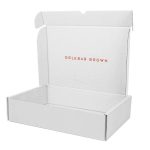
Beyond its green credentials, corrugated cardboard is a canvas for brand storytelling and smart logistics. High-quality printing transforms a plain box into a powerful marketing tool at the critical ‘unboxing’ moment, creating a memorable brand experience. Innovations like water-based inks, digital printing for short runs, and embedded QR codes that link to recycling instructions or brand content are becoming standard. Smart packaging, with integrated RFID or NFC tags, is also emerging, turning the simple box into a data point that can track a product’s journey, monitor for shocks or humidity, and enhance inventory management.
For businesses, the strategic advantages are compelling. Lightweight corrugated reduces shipping costs. Its adaptability means you can design protective, space-efficient packaging for any product shape, reducing damage rates and customer complaints. By choosing corrugated from suppliers certified by organizations like the Forest Stewardship Council (FSC), companies can confidently make verifiable sustainability claims, bolstering their brand reputation and meeting the demands of investors and consumers alike. It is a tangible demonstration of a commitment to operational efficiency and planetary responsibility.
As e-commerce continues to soar and global awareness of packaging waste intensifies, the corrugated paper box stands ready, not as a problem, but as a proven solution. It represents a perfect alignment of economic sense and environmental stewardship. The next time you receive a shipment, take a moment to appreciate that brown box. It’s more than just packaging; it’s a testament to intelligent design, a pillar of the circular economy, and a silent partner in building a more sustainable future for commerce. In the quest for greener supply chains, sometimes the most advanced answer has been here all along, quietly doing its job, one sturdy, recyclable box at a time.

Leave a Message