
In a world increasingly conscious of its ecological footprint, the humble food packaging paper box is undergoing a quiet revolution. No longer just a utilitarian vessel to transport your meal from point A to point B, today’s paper-based packaging is a sophisticated fusion of design, sustainability, and brand storytelling. It’s the first tangible touchpoint in the customer experience, whispering promises of quality, care, and conscientious consumption before the first bite is even taken.
The shift from plastic to paper is more than a trend; it’s a fundamental response to a global demand for responsibility. Modern food packaging paper boxes are engineered marvels. Made from renewable resources, often with high percentages of recycled content or sourced from sustainably managed forests, they offer a compelling end-of-life story. They are biodegradable, compostable, and seamlessly integrate into circular economy models. For the eco-aware consumer, choosing a brand that utilizes thoughtful paper packaging is an extension of their values, making the meal itself feel more wholesome and intentional.
But sustainability doesn’t mean sacrificing functionality. Advancements in material science have led to paper boxes with remarkable resilience. Innovative coatings, derived from plant-based materials like PLA (polylactic acid), provide an effective barrier against grease and moisture, ensuring that your crispy fries stay crispy and your gourmet salad remains fresh. These functional enhancements mean paper boxes can confidently handle everything from steaming hot soups to delicate pastries, dispelling the myth that robust protection requires plastic.
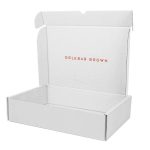
The canvas of a paper box is a powerful marketing tool. Its surface is prime real estate for brand expression. Clean, minimalist designs can convey artisanal quality and premium ingredients, while bold graphics and vibrant colors can project energy and fun for fast-casual brands. This is where packaging transcends its primary role. A beautifully designed box elevates the dining experience, encouraging social media shares and turning a simple takeout order into a memorable unboxing event. The tactile feel of sturdy, well-printed paper adds a layer of perceived value that flimsy plastic containers can never match.
For businesses, the operational benefits are equally significant. Modern paper box designs prioritize efficiency. They are often flat-packed for easy storage and assembled quickly, streamlining operations during peak hours. Their lightweight nature reduces shipping costs compared to heavier alternatives. Furthermore, aligning with green packaging solutions strengthens a brand’s public image, fosters customer loyalty, and can even provide a competitive edge in a crowded marketplace. It’s an investment that pays dividends in both operational smoothness and brand equity.
Looking ahead, the future of food packaging paper boxes is bright with innovation. We are moving towards smarter packaging with integrated QR codes that tell the story of the food’s journey or provide reheating instructions. The development of entirely coating-free, grease-resistant paper is on the horizon, promising even easier recyclability. The integration of seed paper for boxes that can be planted after use is a beautiful symbol of the full-circle philosophy. The box is no longer an end; it’s the beginning of a deeper connection between the brand, the consumer, and the planet.
In essence, the contemporary food packaging paper box is a silent ambassador. It speaks of a brand’s commitment to the environment, its respect for the product inside, and its understanding of the modern consumer’s desires. It proves that the most impactful choices are often wrapped in simplicity, responsibility, and thoughtful design. The next time you receive a meal in a elegantly crafted paper box, take a moment to appreciate it—you’re holding not just food, but a piece of the future.

Leave a Message