
Step into any shopping mall, and you’re immediately immersed in a symphony of sensory delights. The gleam of polished floors, the curated playlists, the kaleidoscope of window displays—all meticulously designed to enchant. Yet, as you exit a store, transaction complete, one of the most significant and evolving touchpoints of your retail experience is handed to you, often without a second thought: the mall paper bag. Far from being a mere afterthought, this unassuming carrier has quietly transformed from a simple utility into a powerful canvas for brand storytelling, environmental responsibility, and even personal style.
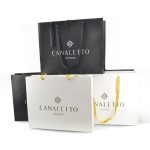
Gone are the days of the flimsy, generic brown sack. Today’s mall paper bag is a statement piece. Luxury brands have long understood this, crafting thick, textured bags with robust cotton handles and embossed logos that customers proudly carry as badges of honor. This ethos has trickled down to mainstream retailers. A well-designed bag—with crisp graphics, a pleasing color palette, and thoughtful construction—extends the brand’s aesthetic beyond the store walls. It turns every customer into a walking advertisement, their journey through the mall a parade of curated taste. The crinkle of quality paper, the satisfying weight of your purchases within—it’s a tactile confirmation of a good buy, a physical epilogue to the shopping story.
However, the most profound evolution of the mall paper bag is rooted in the growing chorus for sustainability. As consumers become increasingly eco-conscious, the plastic bag’s reign has crumbled. In its place, the paper bag, particularly those made from recycled content or sustainably sourced materials, has emerged as a hero. Malls and retailers now prominently feature the FSC (Forest Stewardship Council) logo or messages about post-consumer waste, signaling a shared value with the customer. This isn’t just optics; it’s a tangible answer to the question of waste. The narrative has shifted from “carrying” to “caring.” Choosing a store that offers a sturdy, recyclable, and compostable paper bag is a micro-decision that aligns with a larger planetary ethic, making the act of shopping feel slightly more responsible.
The functionality of the modern paper bag has also seen remarkable innovation. Reinforced bottoms prevent dreaded blow-outs, while integrated handles—whether die-cut, ribbon, or twisted paper—ensure comfort even with a heavier load. Some designs even incorporate clever folds for flat storage or feature gussets that allow them to expand, accommodating everything from a single scented candle to a bulky sweater. This marriage of durability and design means these bags often enjoy a second life, repurposed as gift wrap, storage for magazines, or a chic liner for a small trash bin. Their afterlife in the home further extends the brand’s presence and utility.
Moreover, the mall paper bag plays a subtle psychological role in the shopping experience. Receiving a purchase in a beautiful, substantial bag enhances the perceived value of the items inside. It frames the acquisition as special, worthy of protection and presentation. This final flourish of service—the careful folding of tissue paper, the placement of items, the handing over of a handsome carrier—completes the ritual of purchase on a high note. It’s a moment of closure that feels respectful and satisfying, fostering brand loyalty that often outlasts the product itself.
In our digital age, where e-commerce delivers goods in anonymous brown boxes, the physical mall paper bag represents something increasingly rare: a tangible connection. It is a physical token of a real-world experience, a souvenir of a day out, a memory of a find. It carries not just products, but stories. So, the next time a sales associate hands you that elegantly crafted paper bag, take a moment to appreciate it. See it not as just a container, but as the final, thoughtful stitch in the fabric of retail—a humble hero silently championing design, durability, and a deeper consciousness in our everyday choices.

Leave a Message