
In the dazzling world of beauty, the first touchpoint between a brand and its customer is often not the product itself, but its container. Cosmetic packaging box production is far more than a final step in manufacturing; it is a critical alchemy of art, science, and strategy that transforms a simple cream or serum into a coveted object of desire. This intricate process is where brand identity is physically forged, consumer experience is meticulously crafted, and increasingly, where a company’s commitment to the planet is put to the test.
The journey begins long before cardboard is cut or ink is printed. It starts with a concept, a brand story that needs a tangible shell. Today’s leading cosmetic brands understand that packaging is a silent salesman. A luxury skincare line demands packaging that whispers elegance through matte laminations, soft-touch coatings, and precise embossing. A bold, vegan makeup brand might opt for vibrant, recycled paperboard with minimalist designs to communicate its ethical and youthful ethos. The production process must be agile enough to translate these nuanced brand languages into physical reality, employing advanced graphic design, structural engineering, and a deep understanding of materials.
Material selection stands as one of the most pivotal decisions in cosmetic packaging box production. The traditional realm of virgin paperboard and plastic laminates is now dynamically competing with—and often integrating—innovative sustainable alternatives. Brands are exploring options like FSC-certified paper, sugarcane bagasse, mushroom mycelium, and even ocean-bound plastics. The production challenge lies not just in sourcing these materials but in ensuring they meet rigorous standards for durability, moisture resistance, and printability, all while maintaining the luxurious feel consumers expect. The modern production facility is thus a hub of material science, constantly testing and innovating to balance aesthetics, function, and environmental responsibility.
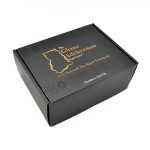
Precision and technology are the backbones of high-quality production. State-of-the-art machinery ensures every box is a perfect replica of the last. Computer-controlled die-cutting machines carve out intricate windows and unique structural shapes with razor-sharp accuracy. Digital and offset printing technologies achieve photorealistic images and Pantone-perfect brand colors. Embellishments like hot foil stamping, spot UV varnish, and debossing add tactile dimensions that elevate the unboxing experience from mundane to memorable. This technological precision guarantees that the packaging protects the product impeccably during transit, a non-negotiable aspect of production that safeguards both the product’s integrity and the brand’s reputation.
Perhaps the most transformative trend reshaping cosmetic packaging box production is the powerful shift toward sustainability and circularity. Consumers are increasingly vigilant, demanding transparency and eco-conscious practices. Production is responding with closed-loop systems, water-based inks, and energy-efficient manufacturing processes. The focus is on creating boxes that are not only recyclable or compostable but are also designed for a second life. Modular designs, refillable systems, and packaging that can be repurposed by the consumer are moving from niche concepts to mainstream production requirements. This evolution positions the packaging not as waste, but as a valuable component of the product’s lifecycle and the brand’s ethical narrative.
Ultimately, the production of a cosmetic box is a symphony of collaboration. It requires seamless coordination between brand managers, graphic designers, structural engineers, material suppliers, and production technicians. Each party must align with the core vision: to create a package that captivates on the shelf, delights upon opening, protects the formulation within, and reflects the values it stands for. In an oversaturated market, this box is the crucial differentiator—it is the physical embodiment of a promise.
Therefore, cosmetic packaging box production is the unsung hero of the beauty industry. It is the discipline that bridges the gap between a laboratory formulation and a beloved brand icon. As the industry continues to evolve towards hyper-personalization and deeper sustainability, the innovation within production lines will only intensify. The future of beauty packaging lies in smarter, greener, and more immersive production processes that continue to enchant the consumer while honoring the planet. The box, it turns out, is much more than just a box; it is the foundation of beauty’s first impression and its lasting legacy.
Leave a Message