
In the world of snacking, nuts reign supreme. Packed with protein, healthy fats, and essential nutrients, they are the go-to choice for health-conscious consumers. Yet, amidst the crunch and flavor, there’s a silent guardian that often goes unnoticed: the humble nut packaging box. Far more than a mere container, this box is a critical player in a complex drama involving freshness, brand perception, logistical prowess, and environmental responsibility. It’s time we cracked open the story of this unsung hero.
First and foremost, the primary mission of a nut packaging box is preservation. Nuts are delicate; their precious oils are susceptible to oxidation, which leads to rancidity and a loss of that satisfying, fresh taste. A high-quality box is a fortress against its enemies: light, moisture, and air. Advanced materials with integrated barrier layers, coupled with secure, resealable closures, create a microclimate that locks in freshness from the packing facility to the pantry. Imagine a box that not only keeps almonds crisp but also protects the subtle, buttery flavor of macadamias or the vibrant green hue of pistachios. This isn’t just packaging; it’s a freshness time capsule, ensuring every handful delivers the quality promise on the label.
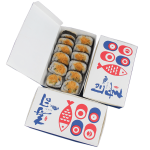
But the box’s role extends far beyond functionality. In a crowded marketplace, it is the brand’s handshake with the consumer. The nut packaging box is a blank canvas for storytelling. Is your brand about rustic, organic simplicity? A kraft paper box with minimalist typography and earthy tones can convey that perfectly. Are you targeting the premium, gourmet segment? A sleek, rigid box with foil stamping, elegant windows, and rich textures speaks volumes before the first nut is tasted. The imagery, colors, and copy on the box communicate values, origin stories, and a commitment to quality. It transforms a commodity into an experience, making your product not just chosen, but cherished.
Furthermore, the logistics of getting nuts from farm to table are a Herculean task. The packaging box must be a warrior in the supply chain. It needs to be structurally sound to withstand stacking in warehouses, jostling during transportation, and the rigors of retail shelving. Innovative designs with reinforced corners, optimal size-to-weight ratios, and efficient palletization capabilities reduce damage and waste, protecting both the product and the bottom line. A well-engineered box ensures that the pristine condition envisioned by the designer is the same condition admired by the customer in-store.
Perhaps the most pressing conversation today revolves around sustainability. The modern consumer is increasingly eco-aware, scrutinizing the lifecycle of everything they purchase. The nut packaging box is at the forefront of this shift. Forward-thinking brands are moving away from traditional, hard-to-recycle laminates and embracing solutions like post-consumer recycled (PCR) cardboard, compostable films, and plant-based inks. The design itself is evolving—right-sizing to eliminate dead air space, creating boxes that are easily flat-packed for recycling, and even integrating seed paper for a second life as a plant. This evolution turns the package from a perceived environmental liability into a testament to the brand’s values, building deep trust and loyalty with a conscious audience.
In conclusion, to view a nut packaging box as just a box is to miss the entire narrative. It is a sophisticated piece of technology dedicated to preservation, a powerful marketing tool that builds brand empires, a logistical marvel that ensures efficient delivery, and a statement of ecological ethics. The next time you reach for a bag of almonds or a tin of mixed nuts, take a moment to appreciate the box that holds them. It’s a small piece of engineering that carries a immense weight of responsibility, ensuring that the simple, wholesome joy of a perfect nut is delivered, one protected, presented, and purposeful box at a time.

Leave a Message