
In the bustling aisles of a grocery store or the quiet unboxing of a meal delivery service, our first interaction with food is often through its packaging. That unassuming container—the food packaging box—plays a far more critical role than simply holding contents. Today, the humble paperboard has evolved from a basic vessel into a sophisticated, multi-functional hero of the food industry, balancing demands for sustainability, brand storytelling, and unparalleled product protection.
Gone are the days when cardboard was synonymous with flimsy, single-use materials. Modern food-grade paperboard is a marvel of material science. Engineered for strength, it provides robust protection against crushing and damage during transit, ensuring your delicate pastries or premium ingredients arrive in pristine condition. But its genius lies in its versatility. Through advanced coatings and laminations, paperboard can achieve excellent barrier properties, guarding against moisture, grease, and even oxygen, which are crucial for extending shelf life and maintaining freshness without always resorting to plastics.
Perhaps the most powerful driver of the paperboard revolution is the global shift toward environmental consciousness. Consumers are increasingly voting with their wallets for brands that demonstrate a genuine commitment to the planet. Paperboard answers this call brilliantly. Sourced from renewable forests managed under strict sustainability protocols, and boasting high recyclability and compostability rates, it represents a circular solution in a world drowning in waste. A well-designed paperboard box doesn’t end up in a landfill; it gets a new life as another product, closing the loop in a way that traditional plastics cannot.
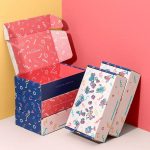
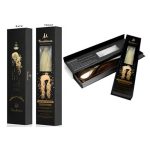
The blank canvas of a paperboard box is a brand’s silent ambassador. It is a prime real estate for vibrant, high-quality printing that tells a story. From minimalist elegance that whispers luxury to bold, colorful graphics that shout fun and innovation, the packaging design creates an immediate emotional connection. This unboxing experience—the feel of the sturdy material, the crispness of the print—adds tangible value, transforming a simple transaction into a memorable brand moment. In the age of social media, photogenic and cleverly designed paperboard packaging often becomes free marketing, shared across platforms by delighted customers.
Innovation in paperboard packaging is relentless. We now see intelligent designs with built-in features: easy-open tabs, resealable closures, and compartments that separate components for meal kits. Some boxes are even designed for secondary use, encouraging consumers to repurpose them for storage or crafts. Furthermore, the integration of smart technologies, such as QR codes linking to recipe videos or sourcing information, bridges the physical package with digital brand experiences, enhancing transparency and engagement.
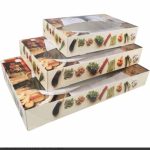
For food businesses, the choice of paperboard is a strategic one. It aligns brand values with consumer expectations for responsibility. It offers superior printability for standout shelf presence in a crowded market. And, when engineered correctly, it provides cost-effective and reliable logistics solutions by optimizing weight and space. From farm-fresh produce boxes to gourmet frozen pizza cartons, paperboard delivers performance that meets the rigorous demands of the modern supply chain.
As we look to the future, the role of paperboard in food packaging is set to grow even more pivotal. The ongoing development of bio-based barriers and enhanced recycled content will further cement its sustainable credentials. It stands not as a perfect solution, but as the most dynamic and responsible path forward in a complex landscape. The next time you hold a thoughtfully designed food box, recognize it for what it truly is: a testament to innovation, a statement of brand purpose, and a small but significant step towards a more sustainable future for our plates and our planet.
Leave a Message