
In a world increasingly conscious of its environmental footprint, the humble food packaging box is undergoing a quiet revolution. No longer just a passive container, today’s paperboard packaging is a sophisticated fusion of science, sustainability, and smart design. From the farm-fresh produce delivered to your doorstep to the gourmet meal kit that inspires a culinary adventure, the unassuming paperboard box is the unsung hero ensuring safety, freshness, and a powerful brand story. The shift towards this versatile material isn’t just a trend; it’s a fundamental rethinking of how we protect, present, and perceive our food.
The core appeal of paperboard lies in its inherent strengths. Sourced from renewable forests managed under strict sustainability protocols, it represents a circular solution in a linear world of waste. Modern paperboard is engineered for resilience. Multi-layered constructions provide exceptional barrier properties against moisture, grease, and oxygen—critical enemies of food freshness. Advanced coatings, often derived from biodegradable or recyclable materials, further enhance performance without compromising its end-of-life recyclability. This means a single box can robustly protect a delicate pastry during transit and then be seamlessly tossed into the recycling bin, closing the loop beautifully.
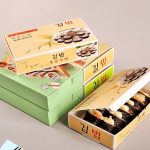
For brands, paperboard is a blank canvas for connection. Its superior printability allows for stunning, high-definition graphics that tell a brand’s story directly from the shelf. The tactile experience of matte finishes, embossed logos, or spot gloss adds a layer of premium quality that consumers can feel. This tangible interaction builds a deeper emotional bond than any plastic wrapper ever could. Furthermore, the structural design possibilities are endless. Innovative die-cutting can create unique shapes, convenient tear-away portions, built-in handles, or even transform the box into a serving platter, enhancing user convenience and creating memorable unboxing moments that are ripe for social media sharing.
The consumer demand for sustainability is the primary engine driving this shift. A growing segment of shoppers actively seeks out products with minimal and environmentally responsible packaging. A paperboard box, especially one bearing certifications from organizations like the Forest Stewardship Council (FSC), signals a brand’s commitment to planetary health. It communicates transparency and responsibility, values that directly influence purchasing decisions. In essence, the package becomes a silent ambassador for the brand’s ethos, building trust before the product inside is even tasted.
Looking ahead, the innovation in food-grade paperboard is accelerating. Developments in barrier technologies using natural polymers are pushing the boundaries, allowing paperboard to package even wetter, oilier, or more sensitive foods previously reserved for plastics. The integration of smart elements, such as QR codes linking to sourcing information or freshness indicators, is adding a digital layer to the analog package. The ultimate goal is a fully functional, high-performance package that leaves zero environmental legacy—a goal that paperboard is uniquely positioned to achieve.
In conclusion, the choice of food packaging is no longer a mere logistical decision. It is a brand statement, an environmental pledge, and a critical touchpoint in the consumer experience. Paperboard, with its perfect balance of practicality, sustainability, and aesthetic potential, is leading the charge towards a smarter, greener future for food. It proves that the most impactful solutions are often those that return to nature’s simplicity, ingeniously reimagined. The next time you hold a thoughtfully designed paperboard food box, remember—you’re holding more than just a meal; you’re holding a piece of the future.
Leave a Message