
Step into any modern grocery store, and you’re not just walking into a marketplace; you’re entering a gallery of silent salespeople. The humble retail food packaging box has undergone a quiet revolution, transforming from a simple container into a critical nexus of preservation, marketing, and consumer experience. Today, it’s not just about holding a product; it’s about telling its story, protecting its integrity, and aligning with the values of a conscious generation.
The primary, non-negotiable role of any food packaging remains preservation and safety. Modern corrugated and cardboard boxes are engineered marvels. Advanced coatings provide moisture barriers, keeping cereals crisp and cookies crunchy. Modified atmosphere packaging (MAP) technology, often integrated within secondary cartons for premium products, flushes out oxygen to dramatically extend the shelf life of fresh meats, salads, and prepared meals. This invisible shield against spoilage and contamination is the unsung hero in reducing food waste—a growing concern for retailers and consumers alike. The box is the first and most crucial line of defense in ensuring that what leaves the factory arrives at the table in perfect condition.
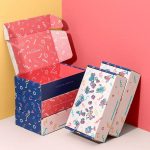
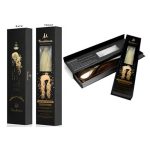
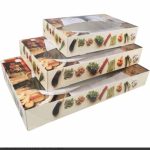
Yet, functionality is only half the story. In the fiercely competitive retail landscape, the box is a brand’s 24/7 ambassador. It’s a canvas for storytelling. A minimalist, earthy-toned cardboard box with elegant typography whispers “artisanal” and “organic.” Bold, vibrant graphics on a snack box scream fun and energy. This is where design psychology meets logistics. The texture of the paper, the quality of the print, the ease of the opening mechanism—all these subtle cues communicate brand value and quality before a single ingredient is tasted. For subscription meal kits, the unboxing experience is a core part of the product, with intelligently segmented boxes creating a sense of anticipation and care that customers eagerly share on social media.
Perhaps the most significant shift in recent years is the drive toward sustainability. The image of the generic, non-recyclable package is fading fast. Consumers now actively seek out brands that demonstrate environmental responsibility, and the packaging is the most visible proof. Consequently, we are witnessing a surge in boxes made from post-consumer recycled (PCR) content, printed with soy-based inks, and designed for easy flattening and recycling. The rise of the “mushroom box”—packaging grown from mycelium and agricultural waste—and other compostable materials points to a future where the retail food packaging box leaves no trace. This green evolution isn’t just good for the planet; it’s becoming a powerful market differentiator and a key driver of consumer loyalty.
Furthermore, the box has gotten smarter. QR codes printed on the side link directly to recipe ideas, detailed sourcing information (like a farm’s story), or recycling instructions. Augmented Reality (AR) triggers can bring a static image to life, showing a cooking tutorial or the product’s journey. For retailers, smart packaging with RFID or NFC tags enables impeccable inventory management, reduces loss, and can even help track freshness in real-time. This integration of physical and digital worlds turns a passive container into an interactive touchpoint, enriching the customer journey and building deeper brand engagement.
In conclusion, the contemporary retail food packaging box is a multifaceted tool of immense importance. It is a guardian of freshness, a dynamic billboard, a statement of ecological ethics, and a portal to digital content. It silently works to reduce waste, build brands, and meet the sophisticated demands of today’s shopper. The next time you pick up a product from the shelf, take a moment to appreciate the box. It’s far more than just a container; it’s a carefully crafted piece of the modern retail puzzle, essential to delivering not just food, but trust, experience, and value.
Leave a Message