
In the quiet ritual of steeping tea, our focus is often on the leaves—their origin, aroma, and flavor profile. Yet, an unsung hero plays a pivotal role in delivering that experience from garden to cup: the tea drink paper box. Far more than a mere container, this innovative packaging has evolved into a sophisticated symbol of modern consumer values, blending eco-conscious design with brand storytelling and practical elegance. It’s time to unwrap the story behind this seemingly simple vessel and discover how it’s transforming the tea industry one box at a time.
Gone are the days of bulky, non-recyclable tins and plastic-heavy wrappers. Today’s tea drink paper box is a marvel of sustainable engineering. Crafted from responsibly sourced, often recycled cardboard, and printed with plant-based inks, these boxes are designed for a circular lifecycle. They are sturdy enough to protect delicate tea leaves from light, moisture, and air—the sworn enemies of freshness—while being fully recyclable or even compostable in many cases. This shift isn’t just a trend; it’s a direct response to a global demand for reducing plastic waste. For the conscious consumer, the box itself becomes the first sip of a brand’s commitment to the planet, a tangible promise that the product inside is as pure for the environment as it is for the palate.
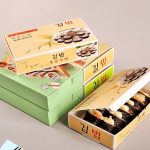
But sustainability doesn’t mean sacrificing aesthetics. On the contrary, the paper box has become a canvas for breathtaking art and minimalist design. From intricate illustrations that evoke the tea’s terroir to clean, typography-driven layouts that speak of modern luxury, the exterior sets the stage for the sensory journey within. The tactile experience—the feel of a matte finish, the satisfying slide of a magnetic closure, or the crisp opening of a flap—adds a layer of ritual even before the tea is measured. This is packaging as an experience, a silent ambassador that communicates quality, care, and identity on the retail shelf or at the kitchen counter.
Functionality remains at its core. Modern tea boxes are intelligently structured. Internal dividers create separate chambers for different tea varieties in assortment packs, while foil-lined bags or sealed inner pouches within the box provide an essential extra barrier. Easy-to-pour spouts, resealable flaps, and clear labeling for brewing instructions enhance user convenience. This thoughtful engineering ensures that the last serving is as aromatic as the first, preserving the integrity of the tea master’s craft from the first opening to the final scoop.
For brands, the paper box is a powerful storytelling tool. Its surfaces narrate tales of origin—the misty mountains of Darjeeling, the sun-drenched fields of Ceylon. It highlights certifications like Organic, Fair Trade, or Rainforest Alliance, building trust and transparency. Limited-edition designs can turn a box into a collectible item, fostering community and brand loyalty. In an e-commerce driven world, a robust, well-designed paper box also minimizes damage during shipping, ensuring the product arrives in perfect condition, making the unboxing moment a shareable delight on social media.
As we look to the future, the evolution of the tea drink paper box continues. Innovations like embedded QR codes linking to immersive origin stories, the use of seed paper that can be planted, or advancements in barrier coatings that maintain recyclability are already on the horizon. The humble box is becoming smarter and more interactive, deepening the connection between brand and drinker.
In conclusion, the tea drink paper box is no longer just packaging. It is a critical intersection of ecology, design, utility, and narrative. It represents a holistic approach where the vessel is in harmony with the virtue of its contents. So, the next time you reach for your favorite blend, take a moment to appreciate the box that holds it. It’s a testament to how thoughtful design can wrap sustainability, beauty, and purpose into one perfect package, making every cup of tea a more considered and complete experience.
Leave a Message