
In an era dominated by digital noise and fleeting online interactions, the tactile experience of unboxing a physical product has emerged as a powerful, almost sacred, moment of connection. At the heart of this experience lies a humble yet profound artifact: the paper box. Far more than a mere container, contemporary paper box design is a sophisticated discipline where sustainability meets storytelling, functionality flirts with artistry, and first impressions are meticulously crafted. It is the silent ambassador of your brand, speaking volumes before a single product is seen.
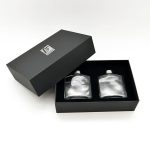
The journey begins with a fundamental shift in perception. No longer an afterthought, the box is now an integral part of the product narrative. Imagine receiving a sleek, rigid paper box for a premium skincare line. The matte finish whispers luxury, a debossed logo invites a touch, and the precise, friction-free opening builds anticipation. This is choreography. The design—from the structural engineering that ensures pristine arrival to the carefully selected weight and texture of the paperboard—sets the stage for the treasure within. It communicates value, care, and attention to detail, directly influencing perceived quality and customer satisfaction before the main act even begins.
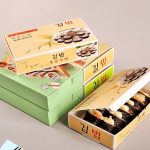
Material innovation is pushing the boundaries of what a paper box can be. The rise of recycled, FSC-certified, and even seed-embedded papers answers the growing consumer demand for environmental responsibility. Brands are leveraging these materials not as a limitation, but as a core part of their message. A box that can be planted to grow herbs, or one made from strikingly beautiful, unbleached kraft paper with minimalist branding, tells a story of eco-consciousness and purity. Furthermore, advancements in coatings and finishes allow for stunning visual and tactile effects—soft-touch lamination, spot UV gloss, foil stamping—all while maintaining recyclability. The modern paper box proves that sustainability and premium aesthetics are not mutually exclusive but are, in fact, a powerful combination.
Functionality remains king, but its kingdom has expanded. Intelligent paper box design solves problems. It considers the entire lifecycle: efficient flat-packing for shipping, intuitive assembly, secure protection for the product, and a second life as storage. Die-cut windows offer a tantalizing preview, while magnetic closures or ribbon pulls add a layer of delightful interaction. For subscription services, the box itself becomes a monthly ritual, with designs that are collectible, customizable, or interactive, fostering community and repeat engagement. The box transitions from passive shell to active participant in the user experience.
Perhaps the most potent aspect of paper box design is its unparalleled capacity for storytelling. Every element—color palette, typography, imagery, and copy—is a narrative tool. A heritage brand might use classic serif fonts and ornate patterns printed with soy-based inks, evoking tradition and craftsmanship. A direct-to-consumer tech startup might opt for bold, clean graphics and clever, conversational copy that breaks the fourth wall. The unboxing sequence can be designed to reveal information in stages, creating a journey of discovery that is ripe for social media sharing. In this sense, the box is a tangible piece of content marketing, creating emotional resonance and brand loyalty that lasts long after the box is (reluctantly) recycled or repurposed.
In conclusion, paper box design is a critical intersection of logistics, marketing, environmental science, and human psychology. It is a brand’s first physical handshake with its customer. A strategically designed paper box does not just hold a product; it holds attention, conveys values, enhances value, and creates a memorable, shareable moment. In a crowded marketplace, investing in thoughtful, innovative paper box design is not an expense—it is a strategic declaration. It says that every touchpoint matters, that the experience is holistic, and that the story of your product begins not when it is used, but the moment it is seen.
Leave a Message