
In a world dominated by digital pixels and fleeting screen interactions, there exists a humble, tangible artifact that continues to shape our experiences in profound, often overlooked ways: the paper box. More than a mere container, it is a silent ambassador for brands, a guardian of precious memories, and a canvas for sustainable innovation. From the thrilling moment of unboxing a long-awaited purchase to the careful storage of cherished heirlooms, the paper box is an enduring testament to the power of thoughtful, physical design in an increasingly virtual age.
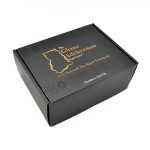
Consider the last time you received a package that felt special. Was it the sleek, minimalist box from a favorite tech brand, its crisp edges and muted tones whispering sophistication? Or perhaps a vibrant, illustrated carton containing a handcrafted gift, telling a story before the lid was even lifted? This is the magic of the paper box as a branding powerhouse. It is the first physical touchpoint, transforming a transaction into an experience. Companies invest deeply in structural engineering and graphic design to create boxes that are not just sturdy, but sensory. The weight of the cardboard, the texture of the coating, the satisfying precision of the fold—all are meticulously crafted to evoke emotion and build brand loyalty. In a sea of generic brown shipping containers, a distinctive paper box is a beacon of identity.
Beyond commerce, the paper box is a cornerstone of practicality and preservation. Its inherent structural integrity, derived from clever engineering like interlocking flaps and double-walled corrugation, provides unparalleled protection. It safeguards delicate electronics from jostles, preserves the freshness of gourmet foods, and ensures fragile ornaments arrive intact. Archivists and hobbyists alike rely on acid-free storage boxes to shield photographs, letters, and collectibles from the degrading effects of time and light. In our homes, decorative paper boxes organize clutter with style, concealing everyday items while adding a touch of aesthetic warmth to a shelf or desk. This versatility—from heavy-duty logistics to delicate curation—highlights its fundamental role in both global supply chains and personal sanctuaries.
Perhaps the most compelling chapter in the modern story of the paper box is written in the language of sustainability. As the world grapples with plastic pollution, the paper box emerges as a champion of the circular economy. Sourced from renewable forests (often managed under rigorous certification systems like FSC) and boasting exceptionally high recycling rates, cardboard represents a responsible choice. The industry is racing forward with innovations: water-based inks, recycled content exceeding 90%, and designs that minimize material use without sacrificing strength. Furthermore, the simple, uncoated paper box has a second life limited only by imagination—transformed by children into forts, robots, or dioramas, or repurposed by adults for storage, composting, or craft projects. This biodegradability and creative potential stand in stark contrast to the finality of landfill-bound plastics.
The cultural and emotional resonance of the paper box is equally significant. It is intrinsically linked to ritual and anticipation. The unboxing phenomenon, celebrated across social media, underscores the thrill embedded in opening a perfectly crafted box. It builds suspense and magnifies delight. During holidays, gift boxes wrapped in shiny paper become symbols of love and generosity. A simple shoebox might hold a child’s most treasured rocks or a lifetime of concert tickets, evolving from a container into a time capsule. In this sense, the paper box transcends its utility, becoming a vessel for human connection, memory, and joy.
From its raw, pulpy origins to its final placement on a doorstep or in a cupboard, the journey of a paper box is a remarkable fusion of science, art, and environmental consciousness. It is a testament to how a seemingly mundane object, when designed with intention, can carry immense weight—both physically and metaphorically. As we move towards a future demanding greater mindfulness, the humble paper box, adaptable, sustainable, and deeply human, is not just surviving; it is being reimagined and elevated. It reminds us that sometimes, the most impactful innovations are not about disrupting the old, but perfecting the essential. So, the next time you hold one, take a moment to appreciate the engineering in its seams, the story on its surface, and the quiet promise it holds within.
Leave a Message