
In a world increasingly conscious of its environmental footprint, a quiet revolution is unfolding in the aisles of our grocery stores and the backrooms of our farms. It’s not a flashy new gadget or a complex technological breakthrough. Instead, it’s a return to simplicity, reimagined for the modern age: the Fruit and Vegetable Paper Box. Once merely a utilitarian vessel for transport, this unassuming container has evolved into a powerful symbol of sustainable innovation, marrying practicality with profound ecological responsibility.
Gone are the days when plastic clamshells and polystyrene trays dominated the produce section. Consumers today are voting with their wallets, demanding packaging that aligns with their values. The paper box, crafted from renewable, often recycled materials, answers this call elegantly. Its very presence on a shelf communicates a brand’s commitment to the planet. But the appeal goes far beyond mere optics. These boxes are designed for a circular economy. After serving their primary purpose, they can be easily flattened and tossed into the recycling stream, or even composted in many cases, returning to the earth without leaving a legacy of microplastics. This closed-loop thinking transforms a simple box from waste into a resource, a fundamental shift in our consumption narrative.
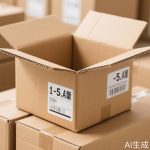
The practical benefits for the fruits and vegetables themselves are equally compelling. Modern paperboard engineering allows for precise breathability. Unlike suffocating plastic, a well-designed paper box manages moisture and ethylene gas, the natural ripening agent. This extends the shelf life of delicate berries, leafy greens, and stone fruits by creating an optimal microclimate. It reduces food waste significantly—a critical issue, given that a staggering portion of fresh produce is lost between farm and fork. Furthermore, the sturdy construction of corrugated paper boxes offers superior protection against bruising and crushing during logistics, ensuring that beautiful, fresh produce arrives in the consumer’s kitchen looking as pristine as it did in the field.
For brands, the Fruit and Vegetable Paper Box is a blank canvas for storytelling. Its matte, natural surface is perfect for high-quality printing, allowing farmers and distributors to showcase their origin stories, organic certifications, and recipes. This direct communication builds trust and transparency. A consumer can hold a box of heirloom tomatoes and feel a connection to the farm it came from, a connection that is often lost with generic plastic packaging. This tangible link fosters brand loyalty and allows smaller, sustainable producers to stand out in a crowded marketplace.
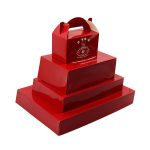
The innovation continues at the structural level. We are now seeing boxes with integrated handles for easy carrying, windows made from compostable film for product visibility, and even clever designs that convert into serving trays or seedling starter pots. These features enhance user experience, adding unexpected value and reinforcing the ethos of reuse. The humble box is no longer just a container; it is an interactive part of the consumer’s journey from store to table to garden.
Of course, the transition is not without its challenges. Questions about durability in high-humidity environments, the carbon footprint of production and recycling, and cost comparisons with conventional plastics are part of an essential ongoing dialogue. However, the industry is responding with water-resistant coatings derived from natural materials, investments in cleaner production energy, and economies of scale that are making sustainable packaging more accessible every day. The trajectory is clear: innovation is rapidly overcoming initial hurdles.
In the end, the rise of the Fruit and Vegetable Paper Box represents more than a packaging trend. It is a conscious choice for a healthier ecosystem. It signifies a collective move towards mindful consumption, where every element of a product, down to its casing, is considered for its impact. Each time we choose produce in a recyclable paper box over one encased in plastic, we are casting a vote for cleaner oceans, reduced landfill burden, and a more thoughtful relationship with our food.
So, the next time you reach for that box of crisp apples or tender asparagus, take a moment to appreciate it. You are holding a piece of pragmatic design that protects your food, tells a story, and safeguards our planet’s future. It’s a small box, but it carries a very big idea.

Leave a Message