
In a world increasingly conscious of its environmental footprint, a quiet revolution is unfolding on store shelves and in delivery vans. The humble cardboard box, long a symbol of commerce and convenience, is being reborn. Enter the era of the Biodegradable Paper Box—a packaging solution that promises not just to hold your products, but to hold the future of our planet a little more gently. This isn’t merely an upgrade; it’s a fundamental shift towards a circular economy where waste is designed out of the equation.
What exactly sets a biodegradable paper box apart? At its core, it is crafted from natural, plant-based fibers—often from responsibly managed forests or agricultural by-products—and processed without the complex polymers or chemical coatings that plague traditional packaging. The magic lies in its end-of-life scenario. Unlike conventional boxes that may linger in landfills for decades, a truly biodegradable paper box is engineered to break down completely into water, carbon dioxide, and organic matter within a reasonable timeframe under natural composting conditions. It returns to the earth, leaving no toxic residue, completing a beautiful, sustainable loop from tree to soil.
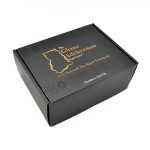
For forward-thinking brands, this transition is more than an ethical choice; it’s a powerful business strategy. Consumers are voting with their wallets, actively seeking out brands that align with their ecological values. Presenting your product in a sleek, sturdy, and clearly labeled biodegradable box sends an unmistakable message of commitment. It transforms the unboxing experience from a mundane task into a moment of brand storytelling, fostering deeper customer loyalty and positive word-of-mouth. In a crowded marketplace, your packaging is no longer just a container—it’s a silent ambassador for your brand’s conscience.
The practical benefits are equally compelling. Modern biodegradable paper boxes are a far cry from flimsy stereotypes. Advances in manufacturing have yielded options that are remarkably durable, moisture-resistant (through natural waxes or lignin-based barriers), and versatile in printability, allowing for vibrant, high-quality branding. They perform robustly through supply chains, protecting goods from the warehouse to the customer’s doorstep. The myth that sustainable means less sturdy is decisively busted by the strength and resilience of today’s biodegradable designs.
Perhaps the most profound impact is felt by our environment. Every biodegradable paper box that replaces a plastic-lined or non-recyclable alternative represents a direct reduction in landfill mass and microplastic pollution. It eases the burden on recycling systems and dramatically lowers the carbon footprint associated with packaging production and waste processing. By choosing these boxes, businesses actively participate in regenerating ecosystems, contributing to healthier soil and cleaner air—a legacy far more valuable than any single product inside.
Making the switch is a straightforward journey. The key is partnering with suppliers who can provide certified biodegradable materials, such as those meeting standards like ASTM D6400 or EN 13432. Start by assessing your product line: which items can be seamlessly transitioned? Many suppliers offer customizable sizes and designs, ensuring a perfect fit for your needs. Communicate this change clearly on the packaging itself and in your marketing. Educate your customers on how to properly compost the box, turning disposal into a participative environmental act.
The rise of the biodegradable paper box is a testament to human ingenuity aligning with ecological necessity. It represents a conscious step away from the ‘take-make-dispose’ model towards a regenerative philosophy. For businesses, it’s an opportunity to lead, to innovate, and to build a brand that is truly responsible. For consumers, it’s a tangible way to support a healthier planet. In the end, the choice is clear: packaging that lasts for centuries in a landfill, or packaging that nourishes the earth for centuries to come. The box of the future doesn’t just hold things—it holds promise.
Leave a Message