
In a world where convenience and sustainability are no longer luxuries but expectations, a quiet revolution is unfolding—literally. Enter the foldable food packaging box, a deceptively simple innovation that is reshaping how we eat on the go, manage waste, and think about the lifecycle of a meal. Gone are the days of rigid, bulky containers that clutter landfills and cupboards. The future is flexible, smart, and designed to fold seamlessly into our lives.
At its core, the foldable food packaging box is a marvel of functional design. Typically crafted from durable, food-grade materials like corrugated cardboard, molded pulp, or even advanced, plant-based polymers, these boxes arrive flat, conserving a staggering amount of storage and transportation space. For restaurants, food vendors, and meal-kit companies, this translates to lower shipping costs, reduced carbon footprint from logistics, and efficient warehouse management. Imagine receiving a pallet of containers that occupies a fraction of the space of pre-assembled ones—the economic and environmental benefits begin even before the first meal is packed.
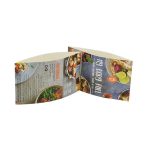
The magic happens in the swift, intuitive assembly. With a few simple folds and secure tabs or locks, a flat sheet transforms into a sturdy, leak-resistant vessel ready for hot, cold, or saucy delights. This user-friendly design empowers businesses during peak hours, speeding up packaging lines and reducing labor. For the consumer, it means receiving a meal in a pristine, structurally sound box that maintains its integrity from restaurant to doorstep or office desk. The ergonomic design often includes secure closures and convenient carrying features, making the journey of your pad thai or gourmet salad a hassle-free experience.
Perhaps the most compelling chapter in the story of foldable boxes is their contribution to the circular economy. Their inherent space-saving nature reduces logistical emissions, but the true sustainability win lies in their end-of-life design. Most are made from recyclable and often compostable materials. After enjoying your meal, the box can be easily collapsed again, minimizing the volume it occupies in recycling bins or compost heaps. This encourages proper disposal and dramatically increases the efficiency of waste collection and processing systems. Some innovative designs even incorporate seed paper or dissolve safely in water, pushing the boundaries of zero-waste packaging.
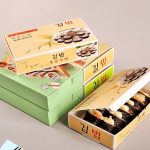
Beyond practicality and eco-credentials, foldable packaging opens a new canvas for branding and customer engagement. The large, flat surface before assembly is a marketer’s dream, allowing for high-quality printing, vibrant branding, and even QR codes that link to recipes, sustainability stories, or loyalty programs. Unboxing becomes an interactive, branded experience. Furthermore, the clever design itself becomes a talking point, subtly communicating a brand’s commitment to innovation and environmental responsibility.
From bustling urban food halls to serene picnic spots, the applications are vast. They are perfect for delivery and takeaway, catering for large events, subscription meal kits, and even retail packaging for dry goods. Their lightweight yet robust nature makes them ideal for e-commerce, protecting products while keeping shipping costs low. As consumer demand for sustainable options grows, businesses adopting foldable packaging position themselves as forward-thinking leaders.
In conclusion, the foldable food packaging box is far more than a container; it is a symbol of intelligent adaptation. It responds to the critical needs of our time: reducing waste, optimizing resources, and enhancing user experience. It represents a fold in the right direction—a step towards a future where convenience doesn’t come at the planet’s expense. So, the next time you receive a meal in a box that started its life flat, take a moment to appreciate the elegant simplicity of a design that is helping to fold a more sustainable future, one meal at a time.
Leave a Message