
In the bustling world of fast food and gourmet takeaways, the spotlight is often on the sizzling patty, the secret sauce, or the artisanal bun. Yet, there’s an unsung hero working tirelessly behind the scenes to deliver that perfect culinary experience from kitchen to customer: the humble hamburger box. Far more than a mere container, this piece of packaging has evolved into a sophisticated tool for branding, sustainability, and customer satisfaction, quietly shaping the way we enjoy one of the world’s most beloved foods.
Gone are the days of the simple, grease-stained paper wrap that left your meal soggy and your hands messy. Today’s hamburger box is a marvel of design engineering. Constructed from sturdy, grease-resistant cardboard or innovative molded fiber, its primary mission is structural integrity. The classic clamshell design, with its secure latch or tab closure, creates a protective micro-environment. It prevents the precious burger from being crushed in transit, while its carefully engineered internal geometry often includes raised platforms or contoured sections to keep the top bun from smushing the lettuce and tomato, and to separate the burger from any accompanying fries. This thoughtful design ensures that the chef’s intended presentation and textural contrasts—the crisp of the lettuce against the soft bun, the juiciness of the patty—arrive intact, exactly as envisioned.
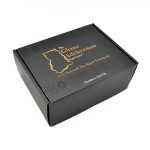
The box has also become a prime canvas for brand storytelling. A blank white container is a missed opportunity. Modern brands leverage this space with bold logos, vibrant colors, and engaging graphics that communicate their identity before the box is even opened. From minimalist, eco-friendly designs that whisper “artisanal and sustainable” to bold, retro patterns that scream “fun and classic,” the packaging sets the tone. It’s the first tangible touchpoint a customer has with the brand after ordering, making it a powerful silent salesman. Clever copy, QR codes linking to loyalty programs, or even fun facts printed inside the lid can transform a simple meal into an interactive brand experience, fostering connection and encouraging social media shares.
Perhaps the most significant evolution of the hamburger box is happening in the realm of sustainability. As consumer demand for eco-conscious practices skyrockets, the industry is responding. The traditional plastic-coated box is being challenged by a new generation of packaging made from recycled post-consumer waste, bamboo, sugarcane bagasse, or other compostable materials. These boxes are designed to break down in commercial composting facilities, leaving minimal environmental footprint. This shift isn’t just good for the planet; it’s smart business. Brands that adopt green packaging loudly communicate their values, aligning themselves with a growing segment of consumers willing to support businesses that prioritize the environment. The hamburger box, therefore, has become a symbol of corporate responsibility.
Functionality extends beyond protection and eco-credentials. The best hamburger boxes are designed with the end-user’s experience in mind. Easy-open tabs, ventilation holes to reduce sogginess by letting steam escape, and even compartments for condiments or side salads are now common features. Some designs double as convenient serving trays, eliminating the need for a plate and making them perfect for on-the-go eating at parks, offices, or stadiums. This user-centric design thinking elevates the entire dining experience, reducing frustration and adding a layer of convenience that customers notice and appreciate.
From a logistical standpoint, the humble box is a warehouse and logistics manager’s ally. Its standardized, stackable shape optimizes storage space in crowded kitchens and during delivery transport. It allows for efficient assembly-line packing, speeding up service during peak hours. For delivery drivers, a securely latched box means fewer spills and happier customers, protecting both the food and their vehicle’s interior. In this way, the box plays a critical, if invisible, role in operational efficiency and cost management.
In conclusion, the hamburger box is a testament to how innovation can transform even the most mundane object. It has journeyed from a basic wrapper to a multi-functional asset—a guardian of flavor, a billboard for branding, a champion for sustainability, and an enhancer of convenience. The next time you unbox a burger, take a moment to appreciate this piece of packaging genius. It’s not just holding your meal; it’s delivering an experience, protecting a reputation, and reflecting the evolving values of our time. The mighty hamburger, it seems, has finally found a fortress worthy of its glory.


Leave a Message