
In the whirlwind of modern life, the humble takeaway food paper box has become a silent, ubiquitous companion. It’s there for the hurried lunch at your desk, the cosy Friday night movie marathon, and the impromptu picnic in the park. But have you ever paused, fork in hand, to consider the journey of that unassuming container? Far from being a mere vessel, today’s takeaway box is at the epicenter of a culinary revolution, balancing convenience, sustainability, and innovation in a way that is quietly redefining our relationship with food on the go.
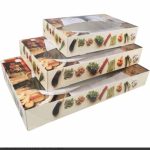
Gone are the days of flimsy, grease-soaked cardboard that wilted under the slightest pressure. The contemporary takeaway food paper box is a marvel of functional design. Engineered from sturdy, often compostable paperboard, it features clever folds for structural integrity, integrated compartments to keep your fries crispy and your burger juicy separate, and secure, leak-resistant closures. Some even incorporate innovative lining technologies derived from plants, creating a effective barrier against moisture and grease without a trace of plastic. This isn’t just packaging; it’s a precision-engineered ecosystem designed to deliver the chef’s intended experience directly to your doorstep, intact and appetising.
Perhaps the most significant evolution, however, is the box’s role in the global sustainability movement. As consumer consciousness shifts, the industry has responded with a wave of eco-conscious alternatives. The classic paper box, when sourced from responsibly managed forests and left uncoated, is inherently biodegradable. The real game-changers are the boxes made from bagasse—a fibrous byproduct of sugarcane processing—bamboo, or recycled pulp. These materials not only repurpose waste but also offer impressive compostability, turning from container to soil nutrient in a matter of weeks under proper conditions. Choosing a restaurant that prioritises such packaging is no longer just a dining decision; it’s a vote for a circular economy.
Furthermore, the box has become a powerful canvas for brand storytelling. Its surface is prime real estate for a restaurant’s identity, messaging, and values. From minimalist logos and elegant typography to playful illustrations and QR codes linking to the farm where ingredients were sourced, the box extends the dining experience beyond the meal. It communicates a brand’s commitment to quality and its environmental ethos directly into the customer’s home, fostering a deeper connection and shareable social media moment. In an age of digital ordering, the physical box remains a tangible, memorable touchpoint.
Looking ahead, the future of the takeaway food paper box is brimming with intelligent possibilities. Imagine boxes embedded with tiny, food-safe sensors that monitor temperature during transit, ensuring safety, or with printed conductive inks that can be scanned to reorder a favourite dish instantly. Research into even more advanced bio-based, water-resistant barriers and edible coatings is ongoing. The box is transitioning from a passive container to an interactive component of the food service chain, enhancing traceability, convenience, and reducing waste through smart design.
So, the next time you unpack a steaming meal from its paper fortress, take a moment to appreciate it. That box represents a complex intersection of culinary art, environmental science, cutting-edge design, and marketing savvy. It is a testament to our desire for convenience without compromise, for flavour that travels well, and for a healthier planet. The humble takeaway food paper box, once an afterthought, has firmly packed itself into the forefront of how we eat, live, and think about our impact—one delicious, sustainable meal at a time.

Leave a Message