
In a world dominated by digital storefronts, the unassuming corrugated box has staged a quiet but remarkable comeback. No longer just a utilitarian vessel for transport, it has evolved into a critical touchpoint in the customer journey—a silent salesman, a brand ambassador, and a sustainability statement, all rolled into one. The art and science of corrugated box design have moved far beyond simple dimensions, transforming packaging from a cost center into a powerful strategic asset.
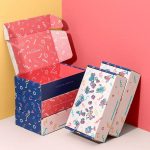
The foundation of impactful design lies in understanding the corrugated medium itself. The fluted structure sandwiched between liners isn’t just for strength; it’s a canvas. From single-wall to double-wall constructions, the choice influences not only durability but also printability and perceived quality. Modern printing techniques, like high-definition flexography and digital printing, now allow for vibrant, photorealistic graphics directly on the kraft surface. This means your box can tell your brand’s story in full color, from the warehouse shelf to the customer’s doorstep, without the need for additional labels or sleeves.
Strategic design begins with the unboxing experience. This moment of revelation is prime emotional real estate. A thoughtfully designed box—with easy-open features, internal structuring that cradles the product, and engaging graphics—turns a routine transaction into a memorable event. It signals care, quality, and attention to detail. Brands like Apple and Glossier have famously elevated this to an art form, where the packaging is an integral part of the product’s premium feel. The tactile feedback of a sturdy, well-constructed box subconsciously reinforces the value of what’s inside.
Furthermore, intelligent structural design is a direct driver of operational efficiency and sustainability. Right-sizing a box to eliminate dead space isn’t just eco-friendly; it reduces material use, shipping costs, and the carbon footprint of each shipment. Innovations in die-cutting allow for ingenious, self-locking designs that minimize or even eliminate plastic tapes and polystyrene fillers. A box that is both protective and minimalist is a powerful testament to a brand’s commitment to reducing waste, resonating deeply with today’s environmentally conscious consumers.
The functional magic of corrugated design also extends to supply chain resilience. Boxes can be engineered for specific vulnerabilities: moisture-resistant coatings for international shipping, anti-tamper features for high-value goods, or ergonomic handholds for easier handling in logistics hubs. This proactive design thinking reduces damage rates, returns, and associated costs, protecting both the product and the brand’s reputation.
Ultimately, a corrugated box is often the first physical interaction a customer has with your brand. Its design is a non-verbal communication channel. Clean, modern typography and a cohesive color scheme build recognition. QR codes can bridge the physical and digital, directing users to tutorials, reviews, or loyalty programs. Even the choice of unbleached, natural kraft can communicate an earthy, authentic brand ethos. In a crowded market, a distinctive box sitting on a porch can be a billboard, sparking curiosity and conversation in the neighborhood.
In conclusion, to view corrugated box design merely as packaging is to miss a monumental opportunity. It is a multifaceted tool for brand expression, customer engagement, cost optimization, and environmental stewardship. By investing in innovative, strategic design, companies can ensure their product doesn’t just arrive safely, but arrives making a statement—turning the simple act of opening a box into the beginning of a lasting brand relationship. The box, therefore, is never just a box; it’s the final, and perhaps most tangible, piece of your brand’s story.
Leave a Message